- Shop Number 08, Plot Number-101, Sector 21, Landmark: Behind DMart, Nerul (E), Navi Mumbai, India.
- Mon To Sat - 11:00 AM-02:30PM To 05:30PM-09:30PM
Shop Number 08, Plot Number-101, Sector 21, Landmark: Behind DMart, Nerul (E), Navi Mumbai, India.
Mon To Sat - 11:00 AM-02:30PM To 05:30PM-09:30PM
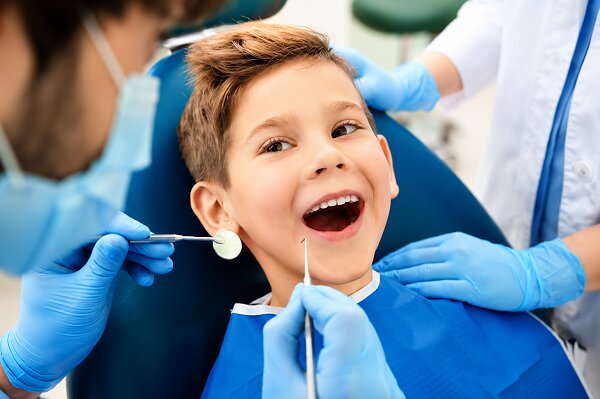
Best Child Dentist in Nerul
Children need dental care to maintain and promote the health of their teeth, jaws, and overall oral condition as they develop. Early dental visits help prevent more severe problems from occurring as their teeth grow.
Restore Clinic offers child-friendly dental care from Dr. Sayali Erandolkar Sangvikar. We aim to offer our young patients a pleasant experience while also helping them maintain healthy teeth for years to come.
Our child dentist in Nerul offers a complete range of dental services that help our young patients establish excellent oral hygiene habits, prevent cavities, and manage dental anxiety.
Why Kids Need Specialized Dental Care
Although your child's mouth is similar to an adult's, their teeth, jaws, and habits require a more comprehensive approach to their oral health. This is because their mouths are still developing, and dental care needs to be adapted to their unique developmental needs.
It's essential to establish excellent oral hygiene habits early in life. The child dentist in Nerul can assist you in ensuring that your child has the tools and knowledge to maintain good oral hygiene as they grow.
When Should Kids First Visit the Dentist?
Kids should first visit the dentist when their first teeth erupt, but no later than their first birthday. These early dental sessions are critical in teaching parents how to care for their children's teeth, gums, and overall oral health.
Moreover, regular dental exams enable dentists to identify potential problems at an early stage, when they are more easily managed or treated.
- First tooth eruption checkup
- Oral hygiene education for parents
- Feeding advice
- Cavity prevention techniques
- Monitoring the eruption of teeth
Common Dental Problems in Children
As they grow, your children may encounter a variety of dental problems, including:
- Tooth decay and cavities
- Early childhood caries
- Tooth sensitivity
- Gum inflammation
- Oral trauma
- Thumb sucking
- Teeth grinding
- Poor tooth eruption
Children's teeth may occasionally need a pediatric root canal treatment to treat extensive decay and prevent further issues.
Pediatric Dental Services We Provide
Preventive and diagnostic dentistry for children is a comprehensive discipline that focuses on ensuring that kids develop good oral hygiene habits throughout their lives.
- Routine dental examinations
- Dental cleanings
- Fluoride treatment
- Pit and fissure sealants
- Tooth-coloured fillings
- Pulp therapy for milk teeth
- Space maintainers
- Habit control appliances
- Dental trauma management
- Preventive oral health programs
Fluoride Treatment for Children
Fluoride treatment is essential for developing teeth since it helps prevent cavities. Fluoride therapy is a simple procedure that can be administered to children at the child dentist in Nerul.
Fluoride strengthens tooth enamel and makes teeth more resistant to decay. Moreover, fluoride treatment helps prevent cavities and promotes normal tooth development in children. This procedure is quick and typically painless.
Pit and Fissure Sealants for Cavity Prevention
Pit and fissure sealants are a quick and effective method for protecting children's teeth from cavities. Sealants are a thin plastic material used to fill the grooves and crevices in teeth, making them smoother and easier to clean.
Sealants are recommended for children's teeth since the grooves and fissures in their molars are often too narrow for a toothbrush to reach. As a result, food particles and germs can accumulate, leading to tooth decay.
- Prevents food from sticking to teeth
- Prevents cavities in children's molars
- A simple procedure that can last for years
Why Are Milk Teeth Important?
Primary teeth, or milk teeth, are essential in a child's life since they enable them to chew food properly and speak clearly. Many parents believe that primary teeth are not worth the treatment since they will eventually be lost. However, this is a dangerous misconception that can lead to poor oral health in the long run.
Primary teeth are essential because:
- They help children speak clearly
- They help children chew food
- They save space for permanent teeth
- They help in the development of the jaws
Space Maintainers for Early Milk Tooth Loss
Space maintainers can help save space in the mouth when a child loses a tooth prematurely. They help prevent adjacent teeth from shifting into the empty area, which can cause misalignment and other orthodontic problems.
The loss of a primary tooth before its natural time can cause the teeth surrounding the empty space to tilt or move into it. This can lead to a lack of space for the permanent teeth, resulting in crowding and other orthodontic issues.
Thumb Sucking and Habit Correction
Habits such as thumb sucking, tongue thrusting, and pacifier use can cause a variety of oral health problems, including misaligned teeth and bite disorders.
The child dentist in Nerul can help your child break unhealthy oral habits with habit control appliances. These appliances can assist your child in developing healthier oral habits while also avoiding harmful consequences such as crooked teeth.
- Thumb sucking treatment
- Tongue thrust treatment
- Habit-breaking appliances
- Monitoring of growth and development
Management of Dental Injuries in Children
Accidents can occur at any time, and children's teeth are particularly vulnerable to injury. Falls, sports activities, and playground equipment are all common causes of dental injuries in children. If your child's tooth is chipped or broken, you should contact your child dentist in Nerul as soon as possible.
If your child has a dental injury, the sooner they receive treatment, the better the outcome will be. Dental injuries in children may necessitate extensive treatment, especially if the permanent teeth are affected.
- Treatment of chipped teeth
- Treatment of fractured teeth
- Dental emergency management
- Long-term monitoring of the affected teeth
Comprehensive Dental Care for Growing Children
Children with deep cavities may occasionally require a root canal to treat decay and prevent additional problems.
In addition, dental crowns may be necessary in children with significant tooth damage to prevent the affected teeth from further deterioration. Gum inflammation in children should also be treated since it can lead to a variety of oral health issues.
Finally, early childhood examinations can help detect a variety of dental and orthodontic problems, including improper bite and misaligned teeth, which may necessitate orthodontic treatment.
Making Dentistry Experiences Pleasant for Kids
Many children dread going to the dentist, so it's essential to make their experiences as stress-free as possible. At Restore Clinic, we specialize in helping children feel comfortable and confident while receiving dental care.
Our child-friendly dentists will assist your child in developing excellent oral hygiene habits while also ensuring that they have a positive experience at the dentist's office.
- Friendly communication with children
- Gentle approach to children's dental care
- Explanation of procedures for children
- Comfortable surroundings
- Positive reinforcement techniques
Managing Dental Anxiety in Children
Dental anxiety in children is common, and it can have a significant impact on their dental health. The child dentist in Nerul can help kids overcome their fear of the dentist so that they can receive the care they need without experiencing undue stress or discomfort.
Preventive Dentistry for Children
Preventive dentistry for children focuses on helping them maintain healthy teeth and gums throughout their lives. Routine dental examinations, cleanings, fluoride treatments, and sealants can all contribute to excellent oral health in children. Preventive dentistry can also assist in detecting oral health problems at their earliest stages, when they are most treatable.
Moreover, it can help your child develop excellent oral hygiene habits that will benefit them throughout their lives.
- Routine dental examinations
- Professional dental cleanings
- Fluoride treatment
- Pit and fissure sealants
- Oral hygiene education
- Dietary counseling
Monitoring Growth and Dental Development in Kids
Regular dental examinations for your children are critical in ascertaining that their teeth and jaws are developing appropriately. As a result, it becomes easier to identify and address any orthodontic problems early on.
Monitoring your child's oral development can also help detect other dental and orthodontic problems, such as improper bite and misaligned teeth.
- Tooth eruption monitoring
- Jaw development assessment
- Bite evaluation
- Orthodontic screening
Child Dental Care by Dr. Sayali Erandolkar Sangvikar
Dr. Sayali Erandolkar Sangvikar is committed to helping children develop excellent oral hygiene habits while also receiving the dental care they need to maintain healthy teeth and gums. Our child dentist in Nerul can help your child have a positive dental experience while receiving high-quality care.
Dr. Sayali Erandolkar Sangvikar will provide comprehensive dental care to your child while also educating them about the significance of excellent oral hygiene. Each child will be treated based on their specific dental needs and developmental stage.
- Personalized care for children of all ages
- Focus on prevention and education
- Emphasis on long-term oral health
- Gentle and child-friendly approach
Why Parents Choose Restore Clinic for Children's Dentistry
Parents choose Restore Clinic for children's dentistry because of our commitment to preventive dentistry and patient comfort. We understand the importance of helping your children maintain healthy teeth and gums throughout their lives. Our child dentist in Nerul can help your child develop excellent oral hygiene habits while also receiving the dental care they need to maintain healthy teeth and gums.
- Child-friendly dental care
- Focus on prevention and education
- Comfort and confidence-building
- Comprehensive oral health evaluation
- Long-term monitoring and management of oral development
Best Child Dentist in Nerul & Navi Mumbai
Restore Clinic offers child dentistry services to children from Nerul, Seawoods, Sanpada, Vashi, CBD Belapur, Kharghar, Juinagar, and the surrounding Navi Mumbai areas. We are dedicated to helping your children maintain healthy teeth and gums throughout their lives.
Our child dentist in Nerul can assist you in providing preventive dentistry services to your children, including cavity prevention, monitoring their oral development, and addressing any concerns you may have regarding their oral health.
We believe that excellent dental care begins with regular dental examinations and cleanings. Our team of dental professionals is committed to helping your children develop excellent oral hygiene habits while also receiving the dental care they need to maintain healthy teeth and gums.
Schedule Your Child's Dental Appointment Today
Early dental care helps prevent a variety of oral health problems in children. Our child dentist in Nerul can help your child maintain excellent oral health throughout their life.
Make an appointment with Dr. Sayali Erandolkar Sangvikar for your child's dental examination and receive guidance on how to help them maintain healthy teeth and gums.
Frequently Asked Questions About Child Dentists in Nerul
At what age should I take my child for their first dental visit?
The first dental visit should be scheduled when their first tooth erupts, which is typically between 6 and 12 months, and no later than their first birthday. This may seem early, but the first dental visit's primary objective is to give the dentist a chance to examine your child's oral development, provide you with oral hygiene advice, and familiarize your child with the dental environment before any dental procedures are performed. Children who have an early dental examination have a significantly lesser fear of dentists as they grow older.
My child is terrified of the dentist. How do I handle this?
Dental anxiety in children is a common occurrence, and there are effective approaches for managing it. A competent and empathic dentist will take the time to earn the child's confidence and trust before proceeding with any dental treatment. In the meantime, it's best to avoid frightening your child with phrases like "it won't hurt" or "don't be scared."
Are milk teeth really that important if they're going to fall out anyway?
Milk teeth are essential, as many parents are unaware. Primary teeth keep the space in the jaw for the permanent teeth that will eventually emerge as adults. If a milk tooth is lost too early due to injury or decay, the neighbouring teeth tend to shift into the vacant space, resulting in a misaligned bite. Apart from the spacing issue, decay in primary teeth can cause excruciating pain and affect a child's ability to eat and speak properly. In addition, untreated decay in primary teeth can spread to the underlying permanent teeth, resulting in further dental problems.
What is the right way to clean a toddler's teeth at home?
For infants, you can use a damp washcloth or silicone finger brush to clean their gums and any emerging teeth. As soon as more teeth erupt, you should start brushing them with a soft-bristled brush and a tiny dab of children's toothpaste (the size of a grain of rice). Children should brush their teeth twice a day, ideally in the morning and before bedtime. It's important to brush their teeth for them until they're old enough to do it themselves, which is typically between the ages of 7 and 8.
When do permanent teeth start coming in, and what should I watch for?
Permanent teeth typically erupt between the ages of 6 and 13. Usually, the first permanent teeth to erupt are the lower front teeth and first molars. The process continues until roughly age 12 or 13, with the exception of the wisdom teeth, which erupt much later. You should watch for permanent teeth erupting in crooked positions or overlapping with milk teeth that haven't fallen out yet. These are all reasons to bring your child to the dentist for an examination.
At what age should I start thinking about braces for my child?
Orthodontic treatment can be initiated as early as age 7, but it's typically not required until the jaw has matured enough to support the desired result, which is usually between the ages of 10 and 14. Orthodontic treatment can begin as early as age 7 if there are specific bite problems that need to be addressed. Your child's dentist will discuss orthodontic treatment options with you if necessary. In the meantime, you can request an orthodontic evaluation if you notice any signs of crooked teeth or improper bites.
My child has a thumb-sucking or pacifier habit. Should I be worried?
Thumb sucking and pacifier use are common in toddlers, and most children outgrow them by the age of 3 or 4. The habit can cause the upper front teeth to protrude if it persists beyond the age of 5. If your child is still sucking their thumb or using a pacifier, mention it to their dentist at their next appointment. There are several effective treatments for persistent thumb sucking that can help your child break the habit without causing undue stress.
What dental treatments are safe and common for children?
Most dental treatments for children are identical to those for adults, although they're typically performed with more care and in a child-friendly environment. Routine pediatric dental treatments include professional cleanings, fluoride treatment, fissure sealants, and fillings for cavities. Stainless steel crowns may be used to restore milk teeth that have been severely damaged and require additional care until they are lost naturally.
How much sugar is too much, and how does it actually damage teeth?
The amount of sugar a child consumes is less important than how frequently they consume it. When a child eats or drinks something sweet, the bacteria in their mouth combine with the sugar to create acids that attack the teeth for up to 20 minutes. This is especially damaging to teeth if the child is constantly sipping on a sugary beverage throughout the day. The most harmful oral habits for a child are consuming highly sweetened foods and beverages, especially before bedtime, and drinking from a bottle if they are older than 2. The key to preventing tooth decay is to encourage good oral hygiene habits in your child rather than restricting their sugar consumption entirely.
How often should my child visit the dentist if there are no obvious problems?
Even if your child doesn't have any obvious dental problems, it's a good idea to take them to the dentist every six months for a routine examination and cleaning. This is because children's teeth are continuously developing, and there may be underlying issues that aren't immediately apparent. Additionally, regular dental checkups help your child become more comfortable with the dentist, which can make future appointments less stressful for everyone involved.