- Shop Number 08, Plot Number-101, Sector 21, Landmark: Behind DMart, Nerul (E), Navi Mumbai, India.
- Mon To Sat - 11:00 AM-02:30PM To 05:30PM-09:30PM
Shop Number 08, Plot Number-101, Sector 21, Landmark: Behind DMart, Nerul (E), Navi Mumbai, India.
Mon To Sat - 11:00 AM-02:30PM To 05:30PM-09:30PM
Advanced Dental Implant Solutions in Sanpada
Missing teeth can leave behind a lasting impact on confidence, chewing efficiency, aesthetics, and even overall health. Dental implants stand out as one of the most predictable and long-lasting methods for tooth replacement, as they replace not only the visible part of the tooth but also the underlying root.
At Restore Clinic, the implant treatment for patients from Sanpada is planned through a comprehensive examination, CBCT evaluation, digital implant planning, and prosthetic driven rehabilitation protocols.
Our goal is to not only replace your missing teeth with implants but restore function, aesthetics, occlusion and long term oral health through predictable implant dentistry.
What Are Dental Implants?
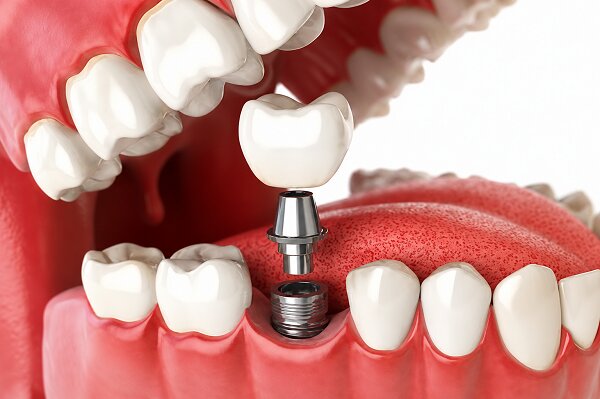
Dental implants are titanium posts that are placed in the upper or lower jaw to replace the roots of the missing teeth. After a successful osseointegration process, the implants can be restored with crowns, bridges or full denture prosthetics to restore the function and aesthetics of the replaced teeth.
Unlike removable prosthetics, implants offer a fixed and long lasting solution that is virtually indistinguishable from natural teeth.
- Replace missing tooth roots
- Restore chewing function
- Prevent bone deterioration
- Enhance smile aesthetics
- Offer long term reliability
When Are Dental Implants Recommended?
Dental implants can be indicated in a variety of cases, where one or more natural teeth are missing due to dental decay, trauma, periodontal disease, failed dental treatment, or congenital deformity.
- Single missing tooth
- Multiple missing teeth
- Full mouth of missing teeth
- Unstable loose dentures
- Poor chewing efficiency
- Looking for a fixed and reliable tooth-replacement option
Single Tooth Dental Implants in Sanpada
If you are missing a single tooth, the replacement with an implant can help preserve the health and integrity of the neighbouring teeth while also restoring your smile to its natural appearance.
Single tooth implants are one of the most predictable and reliable methods of tooth replacement, as they usually entail placing a single titanium post and restoring it with a porcelain crown. Additionally, single implants often serve as a conservative alternative to conventional bridgework.
Patients who have undergone a Root Canal Treatment but then suffered an appliance failure or tooth loss due to structural integrity issues may consider discussing a single tooth implant option after a comprehensive dental examination.
Dental Implants For Multiple Missing Teeth
If you are missing multiple teeth, you may not always be advised to replace each missing tooth with an implant. Strategically placed implants can often be restored with implant supported bridges to replace several missing teeth at a time.
Implant-supported restorations provide improved chewing function, better stability, and enhanced comfort compared to removable prostheses.
Such an approach often proves to be more cost-effective while also providing exceptional chewing efficiency, stability, comfort, and aesthetics.
Multiple dental implants are often combined with dental crowns and fixed bridge prosthetics to restore several consecutive teeth in one implant-supported restoration.
Full Mouth Dental Implants For Complete Smile Reconstruction
If you are missing most or all of your natural teeth, full mouth implants can often serve as an excellent alternative to conventional dentures. Using the latest advances in implant dentistry, strategically placed implants can help provide exceptional aesthetics and stability while also restoring your ability to chew food properly and speak clearly.
Full mouth reconstruction with implants can be planned according to your unique smile esthetics, occlusal relationships, periodontal status and overall health needs.
- Fixed full mouth reconstruction option
- Restores full chewing efficiency
- Enhanced comfort and stability
- Improved smile aesthetics
- More predictable than conventional removable dentures
Dental Implants After Tooth Extraction
Sometimes patients are interested in obtaining dental implants soon after having a tooth extracted due to severe decay, trauma, infection, or periodontal disease.
Depending on your specific situation, implants may be placed within the same treatment session as the extraction or after a healing period.
A thorough treatment planning will help ensure optimal healing following implant placement surgery while also considering your aesthetic and functional goals
Bone grafting before dental implant surgery
Following tooth extraction, patients often experience gradual bone resorption that may compromise the ability to place dental implants in the future. In some cases, patients may benefit from undergoing a bone grafting procedure prior to implant surgery in order to stimulate new bone formation and obtain sufficient bone volume for implant placement.
Some patients may not always be good candidates for grafting surgery, which makes a thorough treatment planning even more important. In general, bone grafting can often help facilitate long term implant stability while also restoring the aesthetics and function of the reconstructed area
- Improved long term implant stability
- Restores natural bone volume
- Enhanced overall treatment prognosis
- Provides predictable bone support for implants
Dental Implants Vs. Traditional Dentures
While conventional dentures can sometimes be an option for tooth replacement, dental implants often offer a variety of advantages over removable prosthetics.
- Long lasting and fixed tooth-replacement option
- Improved chewing capability
- Excellent aesthetics and comfort
- Reduced risk of slippage
- Preserves bone morphology
- Offers natural-looking results
For most patients, dental implants can often serve as a more predictable long term solution in comparison to conventional dentures.
Dental Implant Restoration Treatment Process
Dental implant treatments usually require careful planning in order to obtain long lasting and reliable results. Every patient receives a comprehensive treatment plan that is developed following a thorough clinical examination, CBCT evaluation and prosthetic planning. The implants are then placed according to a digital treatment plan and restored with crowns, bridges, or full dentures following the healing process. The entire treatment timeline can vary considerably depending on your individual situation.
- A Typical Treatment Timeline
- Clinical examination and diagnostic tests
- CBCT scan and digital planning
- Bone evaluation and surgical planning
- Implant placement surgery
- Healing process Osseointegration
- Abutment placement and healing
- Final restoration placement with crowns, bridges, or dentures
Who Are Good Candidates For Dental Implants?
Most adult patients are potential candidates for dental implant treatment, as they offer one of the most reliable long term solutions for tooth replacement. However, patients should be in overall good health and have sufficient bone volume to support implants in order to minimize the risks involved.
- Strong enough bone structure
- Good periodontal health
- General health and oral hygiene
- Ability to maintain proper oral hygiene
- Absence of contraindications
Patients with periodontal disease should bring their condition under control before considering conventional implants, as there is a higher risk of implant failure in such cases.
What Affects The Success Of Dental Implants?
Dental implants possess an excellent clinical success rate, primarily due to their predictable long term outcomes. Nevertheless, several factors should be taken into account in order to minimize the risks involved.
- Bone density and volume
- Proper implant positioning
- Periodontal health
- Oral hygiene
- Regular maintenance appointments
- Ability to follow post-operative instructions
Recovery Following Dental Implant Surgery
Most patients only experience minimal discomfort following implant surgery, due to the local anaesthesia and post-operative pain management. You should be able to return to most of your daily activities on the same day as the procedure, depending on the complexity of your treatment.
The implants should heal steadily over the following few months, as they gradually fuse with the surrounding bone tissue in a process known as osseointegration. You should also be able to resume most daily activities throughout the healing process, unless otherwise advised by your dentist.
- Following post-operative care instructions
- Maintaining excellent oral hygiene
- Attending regular follow up appointments
- Minimizing stress on the surgical site
Help promote rapid and complete healing throughout the recovery process
Long Term Maintenance Of Dental Implants in Sanpada
While dental implants generally require minimal maintenance, most patients should schedule regular dental check-ups to ensure long term success. Like with natural teeth, implants require proper oral hygiene and maintenance in order to prevent periodontitis and other complications.
You should also be able to enjoy a wide variety of foods without damaging your implants, while also being aware of potential risks. Basic care and maintenance recommendations
- Brushing at least twice per day
- Thorough cleaning around implants
- Regular professional cleanings and check-ups
- Monitoring gum health and periodontal condition
- Being able to detect oral health issues at an early stage
Why Patients Trust Restore Clinic for Dental Implants in Sanpada
Dental implants require more than just surgical placement in order to obtain long lasting and reliable results. A comprehensive approach to treatment planning, prosthetic rehabilitation, periodontal maintenance, and long term monitoring can make a significant difference in the final outcome.
Restore Clinic employs a meticulous and organized approach to every implant case, which has earned the trust of numerous patients in Sanpada. Every treatment plan is developed with careful consideration of biological, aesthetic, and functional factors to ensure predictable and long term results.
Additionally, every implant dentistry patient can discuss their personal needs and expectations with Dr. Sayali Erandolkar Sangvikar, who will gladly walk them through every stage of treatment.
- Comprehensive treatment planning
- Digital guided implant placement
- Focus on long term prognosis
- Biologically predictable outcomes
- Personalized approach to implant dentistry
Restorative Dentistry Services Provided By Dr. Sayali Erandolkar Sangvikar
Dr. Sayali Erandolkar Sangvikar, an esteemed MDS Endodontist, possesses a wealth of experience in restorative and reconstructive dentistry. Her expertise enables her to restore oral function and aesthetics while prioritizing patient comfort and long-term success. By employing a patient-centric approach and staying abreast of the latest advancements in the field, Dr. Sayali ensures that each treatment plan is meticulously crafted to meet the unique needs of her patients.
Restorative treatments for missing teeth such as dental implants are often planned following a comprehensive evaluation of the patient's overall oral health. This multi-disciplinary approach considers factors such as periodontal support, adjacent dentition, occlusal relationships, and functional requirements, ensuring predictable outcomes for the patient
Patients who are considering comprehensive dental rehabilitation often visit Dr. Sayali Erandolkar Sangvikar to discuss their treatment options. In addition to restoring missing teeth, she can often develop a comprehensive treatment plan that involves restorative, endodontic, and prosthetic disciplines.
Where periodontal treatment allows for the retention of a severely compromised tooth, advanced endodontic therapy can be utilized to maintain the affected tooth and prevent further complications.
Why Are Dental Implants The Preferred Option For Missing Teeth?
Dental implants are among the most popular options for replacing missing teeth, as they offer a variety of benefits over conventional tooth supported prostheses. Unlike conventional dental bridges, implants offer an independent solution that does not require the preparation of adjacent teeth for prosthetic support.
Additionally, implants help prevent further bone resorption that often occurs after tooth loss, which helps preserve your natural facial aesthetics over time. Finally, implants can often be restored with natural-looking dental crowns that help maintain excellent oral function and aesthetics.
- Dental Implants As Independent Tooth-Replacement Solution
- Preserve the integrity of the neighbouring teeth
- Prevent further bone loss around the extraction site
- Help maintain natural facial contours and aesthetics
- Offer a variety of restorative options and materials
Comprehensive Oral Rehabilitation Treatment
Although dental implants can often be a reliable solution for tooth replacement, many patients benefit from additional treatment prior to implant surgery in order to maximize their long term outcome.
Patients with periodontitis often require specialized gum treatment to ensure optimal periodontal condition prior to any dental treatment that involves mucosal penetration.
Similarly, patients with malocclusion may benefit from Invisalign treatment to create ideal inter-arch relationships, which facilitates prosthetic rehabilitation.
In addition to implant dentistry, patients have a variety of treatment options to restore their oral function and aesthetics. Tooth whitening procedures can play an essential role in enhancing the appearance of teeth while also improving the overall smile esthetics. Patients who have concerns about their periodontal health can also turn to Restore Clinic for comprehensive diagnosis and treatment of gingival conditions.
Why Do Patients From Sanpada Choose Restore Clinic for Dental implant?
Patients from Sanpada and the greater Navi Mumbai area choose Restore Clinic for our exceptional standard of care, comprehensive treatment planning, personal touch, and long term results. Many of our patients have expressed their satisfaction with our organized and predictable approach to implant dentistry, as well as our commitment to patient education.
- Personalized treatment planning
- Advanced diagnostic solutions for optimal outcomes
- Thorough approach to periodontal maintenance
- Focus on long-term prognosis
- Comprehensive treatment options for restorative dentistry
Dental Implant Clinic For Patients From Sanpada & Nearby Navi Mumbai Areas
Restore Clinic offers advanced dental implant treatments and restorative dentistry services for patients from Sanpada, Nerul, Seawoods, Vashi, CBD Belapur, Juinagar, Palm Beach Road, and the greater Navi Mumbai area.
Many patients who visit our dental clinic for tooth replacement surgery express interest in our comprehensive restorative dentistry services and other cosmetic procedures such as tooth whitening.
Book Your Dental Implant Consultation
If you are a concerned about tooth loss or your current denture stability and would like to explore your options for tooth replacement treatment, book a consultation with Restore Clinic today. Our implant dentistry specialists can assist you in developing a comprehensive treatment plan for your restorative dental needs.
Frequently Asked Questions About Dental Implants in Sanpada
I'm anxious about having a dental implant done. Is it really as bad as everyone says?
For the vast majority of patients, it's actually not. A simple implant surgery is a quick procedure that typically takes between 30-45 minutes to complete while you are under local anesthesia. It's important to remember that implants are placed following a systematic treatment plan, so the actual surgery is relatively predictable. The best thing patients can do if they are nervous about the procedure is to discuss their concerns with their dentist. Having an open dialogue with your dentist can do wonders for eliminating doubts and unfounded fears. Most anxious patients who have successfully undergone implant surgery will tell you that most of the fear is unwarranted.
I have diabetes. Are there any risks associated with dental implants?
Having diabetes is not an absolute contraindication for implant dentistry, as there is a substantial body of research that demonstrates that diabetic patients who have implants can have equally reliable results as non-diabetic patients. Having said that, uncontrolled diabetes can severely impact the implant healing process and increase the risk of post-surgical complications due to impaired immune response. That is why most implant dentists will encourage diabetic patients to bring their condition under control before considering implant surgery. As always, it's important to share your medical history with your dentist so they can advise you accordingly.
I'm in my sixties. Is it too late for me to have a dental implant?
Age is typically not a limiting factor when it comes to dental implants. The most important consideration is your overall health and whether or not you are a good candidate for implant surgery. In reality, many senior patients have successfully undergone implant treatment. In fact, senior patients are often some of the most committed patients in terms of post-surgical maintenance. As long as you have good periodontal health and strong enough bone density, you can be a good candidate for implant dentistry no matter your age.
My previous implant failed and I want to try again. Is that an option?
It is always disappointing when an implant fails, but the good news is that you may still have options. A failed implant can be retreated or replaced with a new implant depending on the reason for the initial failure and the condition of the surrounding tissues. It's always a good idea to consult with an experienced implant dentist and go over your options before making any final decisions.
I'm on blood thinners. How will that affect my implant surgery?
Most implant dentists are well-versed in the intricacies of blood-thinning medications. In some cases, you may be advised to stop taking blood thinners before the surgery or your physician may adjust your dose to minimize the risk of excessive bleeding. It's always important to consult with your physician before altering your medication in any way.
How can I be sure that the dentist I have chosen is qualified to do the procedure?
Implant surgery is a surgical procedure, so it's important to be certain that your dentist is qualified to perform the surgery. You can always ask them directly, or ask for references from your dental assistant or hygienist. It's also a good idea to inquire if the dentist has received any formal training in implantology, as opposed to simply a basic dental school education. Another good question to ask is how many implants the dentist has placed throughout their career, and whether they utilize a cone beam CT for implant treatment planning. A competent dentist will not have any issues with answering your questions and will encourage you to ask follow up questions as well.
Is it a good idea to get a second opinion?
It certainly can't hurt. Second opinions are often encouraged, especially when it comes to something as serious as implant dentistry. A second opinion can help reassure you that you are making the right decision and that you are comfortable with your final treatment plan. They can also help detect any discrepancies in diagnosis or treatment planning. It's always important to feel confident in your treatment plan, and if you're ever unsure about something, it's always a good idea to seek a second opinion. Reputable dentists will always encourage their patients to do so if they feel the need.
Can I get an implant if I have gum disease?
You will need to bring your gum disease under control before you can have an implant placed. In the meantime, you will need to work with your periodontist to bring your condition under control. Once your gums are healthy, you can explore your options for implant dentistry. Patients who have had periodontal disease in the past are at a higher risk of developing peri-implantitis, an infection that can lead to implant failure, so it's important to inform your dentist if you have a history of periodontal disease
What happens if my dental implant doesn't fuse properly with my jaw bone?
Dental implants typically have an excellent success rate, so this scenario is relatively rare. Nevertheless, it is still important to understand the potential risks and limitations of implant dentistry. If an implant fails to fuse properly with the surrounding bone, it will typically become loose and eventually fall out. If this occurs, the failed implant can be surgically removed, and a new implant can be placed in approximately 6 months later. The most important thing is to make sure that your dentist thoroughly explains all potential risks and limitations of implant surgery.
What questions should I ask my dentist during my initial consultation?
Here are some good questions to start with: Are you trained in implant dentistry? What kind of implants do you recommend, and why? Do you use a cone beam CT for treatment planning? Will I need a bone graft, and is it necessary? What is the approximate cost of the implants, including the final crown, and what payment options do you offer? What is your success rate, and what do you recommend in the case of implant failure? A thorough initial consultation where the dentist addresses all of these questions can serve as a good litmus test for choosing the right dentist