- Shop Number 08, Plot Number-101, Sector 21, Landmark: Behind DMart, Nerul (E), Navi Mumbai, India.
- Mon To Sat - 11:00 AM-02:30PM To 05:30PM-09:30PM
Shop Number 08, Plot Number-101, Sector 21, Landmark: Behind DMart, Nerul (E), Navi Mumbai, India.
Mon To Sat - 11:00 AM-02:30PM To 05:30PM-09:30PM
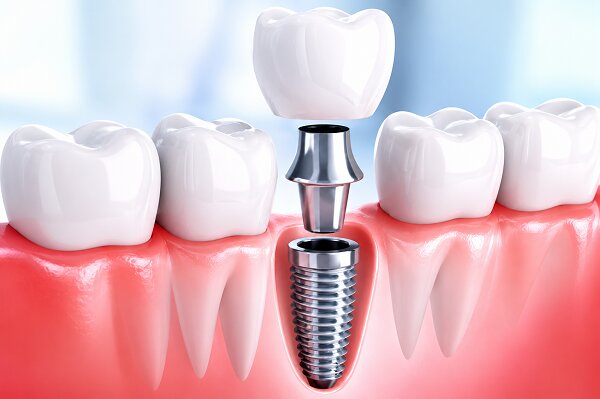
Advanced Dental Implant Clinic in Seawoods
Dental implants are the most reliable solution for tooth loss restoration, as they can mimic a person’s own tooth in terms of function, aesthetics, and even bone preservation. Advanced procedures for both the surgery and prosthetic restoration allow patients to get their smile back.
Dental implants in Seawoods at the Restore Clinic are planned with a CBCT scan, digital implant planning, and prosthetic-driven surgery to ensure precision in every stage of treatment. We restore the form and function of the patient’s dentition back to its best possible state through evidence-based implant dentistry.
What Are Dental Implants?
A dental implant can be described as a titanium post which is surgically placed in the jawbone to serve as an anchor for a dental prosthesis, such as a crown, bridge, or full set of teeth. It acts as a replacement for the roots of the person’s natural teeth. Some of the advantages of dental implants include:
- Replacement for missing natural roots and prevention of bone loss
- A fixed and stable solution to tooth loss
- Restoration of the tooth’s natural appearance and function
- Replacement for single, multiple, or even full set of teeth
When Do You Need Dental Implants?
- One or more missing teeth
- Development of problems while chewing foods that are hard or fibrous
- Loose denture or continuous discomfort while wearing one
- Tooth or teeth loss caused by decay, damage, or infection
- A desire to have a permanent alternative to a removable denture
Who Is An Ideal Candidate For The Procedure?
A dental examination is necessary before the surgery in order to fully ascertain the success of the implants in the long-term. Some considerations for the ideal candidate include:
- Presence of sufficient jawbone density and volume for the titanium post
- Good oral and periodontal hygiene
- Little or no presence of systemic diseases
- Adequate motivation to maintain oral hygiene in the long-term
Step-by-Step Dental Implant Procedure
The following steps are taken during a typical dental implant procedure:
- Clinical examination and analysis using a Cone Beam Computed Tomography scan
- Digital planning of the implant placement and bone mapping
- Surgical placement of the implant post
- Healing period for the post
- Prosthetic restoration using a crown, bridge, or full set of teeth
What Makes A Dental Implant Successful?
- Bone quality and condition
- Precision in surgical placement
- Gum condition and infection control
- The oral hygiene practiced by the patient
Why Patients Trust Restore Clinic for Dental Implants in Seawoods
The art and science of dental implantology requires a combination of precision-based surgical skills and prosthetic know-how to achieve predictable and lasting results.
At Restore Clinic, we offer a multi-disciplinary approach to dental implant treatment in Seawoods. We take a close look at the functional, aesthetic, and even bone-friendly aspects of each treatment plan for predictable and long lasting results.
Some of the services we offer in relation to implants include digitally guided implant placement procedures, minimally invasive surgical techniques, preservation of natural bone tissue, and high precision prosthetic reconstruction.
Related services that we offer at the Restore Clinics in Seawoods include:
Patients seeking dental implants in Seawoods also explore other advanced restorative and cosmetic dental treatments available at our clinic.
Dental Implant Clinic in Seawoods & Navi Mumbai
Restore Clinic is the preferred implant treatment centre in Seawoods, Nerul, Sanpada, Vashi, CBD Belapur and Navi Mumbai.
We specialize in long lasting implant dentistry with a high degree of precision and patient comfort.
Restore Your Smile with Dental Implants
Patients who are experiencing tooth loss or discomfort while wearing a denture should consider fixing their smile with dental implants in Seawoods.
You can contact us to set up a consultation for a detailed discussion regarding implants.
Frequently Asked Questions About Dental Implants treatment
Can I get a weekend or after-hours appointment for a dental implant?
Most dental clinics in Seawoods and the surrounding Navi Mumbai area offer weekend and evening openings, so that working professionals can also get the dental treatment they need without disturbing their work schedule. If after-hours opening is an option for you, it is a good idea to specifically ask for them while setting up an appointment, as the implant procedure consists of several visits spread over a long period of time.
How soon can I go back to work after an implant procedure?
Most people can go back to work the day after their implant surgery. A dental implant procedure is much less invasive than many people actually realize, and it usually takes between half an hour to an hour to complete, with only local anesthesia being required. If you have a physically taxing job or work in particularly stressful conditions, you may need to take a couple of days off after the surgery. Swelling and discomfort, if present, will usually subside the day after the procedure.
Will the implant look natural? Can anyone tell the difference?
The crown on top of the dental implant is virtually indistinguishable from a natural tooth. The color and shape of the crown can be customized in order to restore the appearance of the patient’s natural smile. In most cases, it would be extremely hard for you to tell the difference between your natural teeth and your dental implant, if you were to look at them in a mirror. Aesthetics is yet another advantage of dental implants.
Can I get an implant placed in the front of my mouth? Will it ruin my smile?
Front tooth implants are, in fact, one of the most sought-after procedures by our patients. As for the second part of your question, it really depends on the skill and experience of the dentist who will place your implants. We recommend choosing a qualified dentist with an impressive track record in implant procedures, especially those concerned with the front teeth, for a beautiful, natural-looking smile.
What is a same-day implant? Is it advisable?
A same-day implant, also referred to as an immediate implant, is a procedure in which the implant post is placed and a temporary crown is mounted on top of it in the same day. This way, you do not have to wait for the post to heal and integrate with the surrounding jawbone before placing the final crown. An immediate implant is a viable option for certain patients, which you can discuss with your dentist during your consultation.
I’ve been missing a tooth for a long time now. Is it too late for me to get an implant?
It is never too late to get a dental implant, but the longer the tooth has been missing, the more likely it is that your jawbone density will be insufficient to support an implant. In such cases, a bone grafting procedure may also be required to prepare the implant site, which will prolong the treatment timeline.
Can I replace multiple teeth with implants? Is it only possible to replace one tooth at a time?
Depending on your specific needs, a dental implant can be used to replace one tooth, multiple teeth, or even the entire set of teeth. Several closely located implants can be used to replace multiple teeth with one crown, thus reducing the number of individual crowns required to restore multiple teeth. In order to restore an entire dental arch, several implants posts can be placed strategically to support a full set of custom-made crowns. Your implant dentist in Seawoods will be able to advise you on the most cost-effective and comfortable option for your specific case.
Does diet and lifestyle play an important role in the success rate of an implant?
There are a number of things, related to your diet and lifestyle, that can have an effect on the outcome of your treatment. For example, heavy smoking and alcohol consumption can both interfere with the healing of the implant site and increase the risk of developing a peri-implantitis infection. Another thing to note is that a healthy, balanced diet that contains sufficient quantities of calcium and vitamin D will improve the healing process and promote jawbone regeneration. Your dentist will walk you through all of the necessary post-operative restrictions and dietary recommendations following your procedure.
What is the difference between Indian and imported dental implants?
Implants from different manufacturers vary greatly in terms of their quality, surface structure, and clinical performance. Reputable manufacturers from abroad have a long history of producing high-quality implants. Certain Indian brands may differ in terms of the long-term performance and success rate, but they tend to come at a significantly lower price point. In most cases, dental implants from abroad are the preferred choice, simply because they are proven to be long-lasting. Discuss the brands of dental implants with your dentist before choosing to proceed with the treatment.
Is there any maintenance or annual check-up needed for a dental implant?
Just like with natural teeth, it is important to maintain adequate dental hygiene after getting a dental implant. A dental check-up every six months is recommended in order to evaluate the health of the crown, assess the condition of the gums around the implant, and professionally clean the crown. If neglected, the gums around the implant can develop an infection known as peri-implantitis, leading to implant failure.