- Shop Number 08, Plot Number-101, Sector 21, Landmark: Behind DMart, Nerul (E), Navi Mumbai, India.
- Mon To Sat - 11:00 AM-02:30PM To 05:30PM-09:30PM
Shop Number 08, Plot Number-101, Sector 21, Landmark: Behind DMart, Nerul (E), Navi Mumbai, India.
Mon To Sat - 11:00 AM-02:30PM To 05:30PM-09:30PM
Best Root Canal Treatment in Seawoods
Persistent tooth pain, sensitivity to hot and cold foods, swelling around the gums, or discomfort while chewing may indicate an infection within the tooth that requires professional treatment. Root canal treatment is a highly effective procedure designed to eliminate infection while preserving your natural tooth structure.
At Restore Clinic, patients from Seawoods and nearby Navi Mumbai areas receive personalized endodontic care focused on saving natural teeth whenever possible. Every treatment is carefully planned using clinical examination, digital imaging, and evidence-based protocols to ensure predictable outcomes and long-term oral health.
Dr. Sayali Erandolkar Sangvikar focuses on conservative dentistry, helping patients retain their natural teeth instead of opting for extraction whenever clinically appropriate. Modern root canal procedures are designed to be comfortable, efficient, and highly successful when performed at the right stage of infection.
What Is Root Canal Treatment?
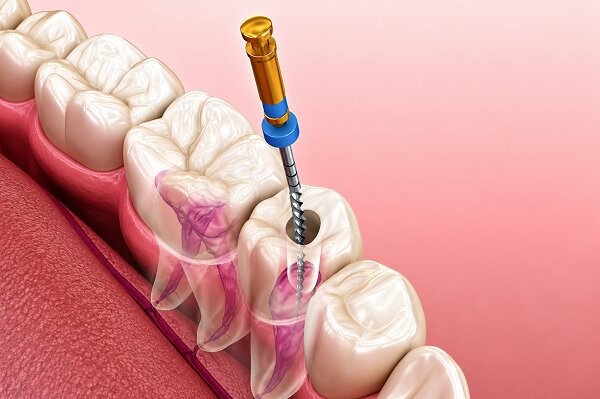
Root canal treatment, also known as endodontic treatment, is a specialized dental procedure performed to remove infected or damaged tissue from inside a tooth. The inner portion of the tooth contains soft tissue known as dental pulp, which includes nerves and blood vessels. When this pulp becomes infected due to deep decay, trauma, cracks, or repeated dental procedures, root canal treatment may be required to save the tooth.
The procedure involves carefully cleaning and disinfecting the infected root canals before sealing them to prevent future bacterial contamination. Once the infection is removed, the tooth can continue functioning normally for many years.
- Removes infection from inside the tooth
- Preserves natural tooth structure
- Prevents spread of dental infection
- Eliminates severe tooth pain and sensitivity
- Helps avoid unnecessary tooth extraction
Signs You May Need Root Canal Treatment
Many patients ignore early symptoms of tooth infection until the discomfort becomes severe. Identifying the warning signs early can improve treatment outcomes and increase the likelihood of saving the tooth.
- Persistent toothache that does not resolve
- Sharp pain while chewing or biting
- Sensitivity to hot or cold foods that lingers
- Swelling or tenderness in surrounding gums
- Darkening or discoloration of a tooth
- Pimple-like swelling near the affected tooth
- Recurrent dental abscess or pus discharge
- Deep cavity reaching the nerve chamber
If you are experiencing any of these symptoms, early intervention is recommended. Delaying treatment may increase the extent of infection and make treatment more complex.
Common Causes of Tooth Nerve Infection
Dental pulp infection can develop gradually or occur suddenly following trauma. Understanding the underlying causes helps patients take preventive measures and seek treatment before complications arise.
- Deep untreated tooth decay
- Large cavities extending into the pulp
- Cracked or fractured teeth
- Dental trauma from accidents or sports injuries
- Repeated dental procedures on the same tooth
- Severe gum infections affecting tooth support
- Untreated dental abscesses
Routine dental examinations and early cavity treatment can significantly reduce the risk of developing infections that require root canal therapy.
Why Saving Your Natural Tooth Is Important
One of the primary goals of modern dentistry is preserving natural teeth whenever possible. A healthy natural tooth provides advantages that artificial replacements cannot completely replicate. Root canal treatment allows patients to maintain their existing tooth structure while eliminating infection.
Choosing to save a tooth through root canal treatment often provides better long-term function compared to extraction. Retaining natural teeth also helps maintain proper bite alignment and chewing efficiency.
- Maintains natural chewing ability
- Preserves surrounding bone structure
- Prevents neighboring teeth from shifting
- Maintains natural smile aesthetics
- Avoids the need for tooth replacement solutions
- Supports long-term oral function
Whenever clinically feasible, preserving a natural tooth is generally considered the most conservative and biologically favorable treatment option.
Root Canal Treatment vs Tooth Extraction
Many patients experiencing severe tooth pain often wonder whether the affected tooth should be removed or saved. While extraction may seem like a quick solution, modern dentistry prioritizes preserving natural teeth whenever possible. Root canal treatment is specifically designed to eliminate infection while allowing the natural tooth to remain functional.
Tooth extraction creates a gap that may eventually require replacement through a dental implant, bridge, or denture. In contrast, root canal treatment preserves the existing tooth structure and maintains natural bite function.
- Root canal preserves your natural tooth
- Extraction may require future tooth replacement
- Natural teeth provide superior chewing efficiency
- Preserving teeth helps maintain jawbone integrity
- Root canal treatment is often more conservative
If a tooth cannot be saved due to extensive structural damage, replacement options such as Dental Implants or Dental Bridges may be discussed as alternative treatment solutions.
Single Sitting vs Multiple Sitting Root Canal Treatment
Modern endodontic techniques allow some root canal treatments to be completed in a single appointment, while more complex cases may require multiple visits. The decision depends on the severity of infection, anatomy of the tooth, and overall clinical condition.
Single Sitting Root Canal
- Suitable for selected uncomplicated cases
- Reduces the number of clinic visits
- Convenient for busy patients
- Faster completion of treatment
Multiple Sitting Root Canal
- Recommended for severe infections
- Allows placement of intracanal medication
- Better management of complex cases
- Useful when swelling or abscess is present
Following examination and digital imaging, the most appropriate treatment approach is selected based on individual clinical requirements.
Step-by-Step Root Canal Treatment Procedure
Root canal treatment follows a structured process focused on removing infection while preserving healthy tooth structure. Each stage is designed to maximize treatment success and long-term tooth survival.
1. Clinical Examination & Diagnosis
A comprehensive examination is performed to evaluate symptoms, identify the affected tooth, and determine the extent of infection.
2. Digital X-Ray Assessment
Diagnostic imaging helps visualize root anatomy, infection spread, and surrounding bone condition for precise treatment planning.
3. Local Anesthesia
The tooth is comfortably numbed to ensure the procedure remains as painless as possible.
4. Removal of Infected Tissue
The infected dental pulp and bacteria are carefully removed from the root canal system.
5. Cleaning & Disinfection
Specialized instruments and disinfecting solutions are used to thoroughly clean the canals and eliminate microbial contamination.
6. Canal Filling & Sealing
The cleaned canals are sealed using biocompatible materials to prevent reinfection.
7. Final Restoration
The tooth is restored with a filling or crown depending on the amount of remaining tooth structure.
What Is Root Canal Retreatment?
Although root canal treatment has a high success rate, certain teeth may require retreatment if infection returns or healing does not occur as expected. Retreatment focuses on addressing the underlying cause and preserving the tooth whenever possible.
Common reasons for retreatment include incomplete cleaning during a previous procedure, missed canals, leakage through restorations, or development of new infection.
- Persistent pain after previous root canal treatment
- Recurring swelling or infection
- Broken or leaking dental restoration
- Missed canal anatomy in earlier treatment
- New decay affecting the treated tooth
Early diagnosis improves the chances of successfully saving the tooth and preventing extraction.
Why Is a Dental Crown Often Recommended After Root Canal Treatment?
After root canal therapy, the treated tooth may become structurally weaker due to previous decay, infection, or removal of damaged tissue. A dental crown is often recommended to provide protection and long-term durability.
The crown covers the treated tooth, restoring strength, appearance, and chewing function while reducing the risk of fracture.
- Protects weakened tooth structure
- Reduces fracture risk
- Restores chewing efficiency
- Improves aesthetics
- Supports long-term treatment success
Patients requiring post-root canal restorations may benefit from Dental Crowns that are customized to match natural teeth and provide lasting protection.
Why Patients Choose Restore Clinic for Root Canal Treatment in Seawoods
Root canal treatment is one of the most technique-sensitive procedures in dentistry. The success of treatment depends on accurate diagnosis, thorough cleaning of infected canals, proper sealing, and long-term restoration of the tooth. At Restore Clinic, every case is approached with a strong focus on preserving natural teeth through evidence-based endodontic care.
Our philosophy is simple—save the natural tooth whenever clinically possible. Rather than immediately recommending extraction, we evaluate the condition of the tooth and explore conservative treatment options that can restore health, function, and comfort.
- Comprehensive diagnosis before treatment planning
- Focus on preserving natural teeth whenever possible
- Modern endodontic treatment protocols
- Personalized treatment planning for every patient
- Emphasis on long-term oral health outcomes
- Patient-centered and conservative treatment approach
Root Canal Treatment by Dr. Sayali Erandolkar Sangvikar
Dr. Sayali Erandolkar Sangvikar is an MDS Endodontist with expertise in diagnosing and managing complex tooth infections, dental pain, and endodontic conditions. Endodontics is the branch of dentistry dedicated to saving teeth affected by infection, trauma, or nerve-related problems.
Her clinical approach focuses on precision diagnosis, conservative dentistry, and long-term tooth preservation. Every treatment plan is customized according to the patient's symptoms, radiographic findings, oral health condition, and overall treatment goals.
Patients from Seawoods, Nerul, Sanpada, Vashi, CBD Belapur, and surrounding Navi Mumbai areas seek treatment at Restore Clinic for comprehensive dental care delivered with a strong emphasis on safety, comfort, and predictable outcomes.
Advanced Endodontic Care Focused on Tooth Preservation
Modern dentistry has significantly improved the predictability of root canal treatment. With advancements in diagnostic technology and treatment techniques, infected teeth that would have previously required extraction can often be successfully preserved.
At Restore Clinic, treatment planning goes beyond simply eliminating pain. The objective is to preserve healthy tooth structure, restore function, and ensure the treated tooth remains stable for years to come.
- Early diagnosis of tooth infections
- Evidence-based treatment planning
- Conservative tooth-saving approach
- Long-term restoration planning
- Comprehensive follow-up care
The goal is not only to eliminate infection but also to help patients retain healthy natural teeth whenever possible.
Root Canal Treatment for Patients in Seawoods & Navi Mumbai
Restore Clinic provides root canal treatment for patients from Seawoods and neighboring areas throughout Navi Mumbai. Conveniently located in Nerul, the clinic receives patients seeking treatment for tooth pain, dental infections, sensitivity, abscesses, and other endodontic concerns.
Patients frequently visit from:
- Seawoods
- Nerul
- Sanpada
- Vashi
- CBD Belapur
- Kharghar
- Navi Mumbai
Early treatment of infected teeth can prevent more extensive procedures and improve the chances of preserving natural tooth structure.
Comprehensive Dental Treatments Available at Restore Clinic
Root canal treatment is often one part of a larger restorative treatment plan. Depending on the condition of the tooth, additional procedures may be recommended to restore strength, aesthetics, and long-term function.
For teeth that have significant structural loss following infection, customized Dental Crowns may be recommended to protect the treated tooth and reduce the risk of fracture.
If a tooth cannot be saved despite advanced treatment efforts, replacement options such as Dental Implants, Dental Bridges, or Dentures & Prosthesis may help restore chewing function and smile aesthetics.
Patients with deep cavities may benefit from early intervention through Dental Fillings before infection reaches the nerve chamber and requires root canal treatment.
Maintaining healthy gums is equally important because conditions such as Gum Diseases and Periodontitis can affect the long-term health of surrounding teeth and supporting structures.
For patients seeking aesthetic smile improvements after restorative treatment, options such as Dental Veneers, Tooth Whitening, and Tooth Jewellery may also be explored based on individual treatment goals.
Our Commitment to Evidence-Based Dental Care
At Restore Clinic, treatment recommendations are based on clinical findings, diagnostic evaluation, and the patient's long-term oral health needs. Every effort is made to provide transparent guidance so patients can make informed decisions about their treatment options.
Root canal treatment is recommended only when clinically necessary and when preserving the natural tooth is considered beneficial. This commitment to conservative and evidence-based dentistry helps ensure that treatment decisions remain focused on patient well-being rather than unnecessary procedures.
- Patient-first treatment philosophy
- Ethical and evidence-based recommendations
- Conservative approach whenever possible
- Personalized treatment planning
- Focus on long-term oral health preservation
Book a Consultation for Root Canal Treatment in Seawoods
If you are experiencing tooth pain, sensitivity, swelling, or signs of dental infection, seeking professional evaluation at an early stage can improve treatment outcomes and help preserve your natural tooth.
Dr. Sayali Erandolkar Sangvikar and the team at Restore Clinic provide comprehensive root canal treatment planning focused on infection control, pain relief, and long-term tooth preservation.
Schedule your consultation today to determine the most appropriate treatment for your dental condition.
Frequently Asked Questions About Root Canal Treatment in Seawoods
I've been putting this off for months is it still worth treating the tooth?
In most cases, yes. Even a tooth that has been infected for a long time can often be saved if the root structure and surrounding bone are still sufficiently intact. The longer treatment is delayed, the more the infection spreads and the fewer options remain but the first step is an assessment, not an assumption. Getting an X-ray will give you a clear picture of what's actually going on before any decisions are made.
What happens if I choose extraction over root canal treatment?
Extraction removes the pain immediately but creates a gap that has consequences beyond aesthetics. The neighbouring teeth gradually shift toward the empty space, the opposing tooth begins to over-erupt, and the jawbone beneath starts to resorb. Over time this affects your bite and can make future restoration more complex and expensive. Replacing the tooth with an implant or bridge adds further cost. Saving the natural tooth through treatment, where possible, is almost always the better long-term decision.
Can I travel from Seawoods to a specialist clinic for root canal treatment?
Absolutely. Seawoods and Nerul are just minutes apart by road and rail, making it very practical to access specialist dental care nearby. Root canal treatment requires 1 to 2 visits in most cases, so the travel commitment is minimal. For a procedure that determines whether you keep or lose a tooth, choosing the right specialist over the most convenient location is always the better call.
My dentist has suggested root canal treatment but I'm not fully convinced. Should I get a second opinion?
Yes, and any good dentist will support that. A second opinion on a significant procedure is entirely reasonable. Take your X-rays with you a second dentist reviewing the same scans will either confirm the recommendation or suggest an alternative. What you want to avoid is delaying the second opinion for too long, since active infections don't pause while you decide.
Is there any alternative to root canal treatment that actually works?
Once the pulp of a tooth is infected or dead, there is no medication or home remedy that resolves it. Antibiotics can temporarily reduce the surrounding infection, but they do not treat the source inside the tooth. The two real options are root canal treatment to save the tooth or extraction to remove it. Any approach that promises to cure a pulp infection without one of these is not clinically supported.
What should I eat and avoid in the days after root canal treatment?
For the first 24 to 48 hours, stick to soft foods yoghurt, dal, soft rice, mashed vegetables and avoid chewing on the treated side. Hot beverages should be avoided until the anaesthesia has fully worn off to prevent accidental burns. Avoid hard, crunchy, or sticky foods until the permanent crown is placed, as the tooth is more vulnerable without it. Most patients are back to a normal diet within a few days.
How do I know the root canal has been successful after treatment?
The most reliable signs of success are the absence of pain, no swelling or tenderness around the tooth, and normal function when biting and chewing. Your dentist will take a follow-up X-ray at a subsequent visit to confirm the bone around the root is healing. Mild sensitivity for a few days post-treatment is normal, but persistent or worsening pain beyond a week is worth reporting to your dentist promptly.
Does the tooth need any special care between the root canal appointment and getting the crown?
Yes this interim period is often underestimated. The tooth is sealed with a temporary filling after the root canal, which is not meant to withstand heavy biting. Avoid chewing hard foods on that side, don't probe the area with your tongue, and don't delay the crown placement longer than your dentist recommends. A tooth left without a crown for too long after root canal treatment is at real risk of cracking, which could make it unrestorable.
Can root canal treatment be done during pregnancy?
Yes, with appropriate precautions. Dental infections during pregnancy should not be left untreated the stress and bacteria from an active infection carry more risk to the pregnancy than a properly managed dental procedure. Local anaesthesia used in root canal treatment is safe. X-rays can be taken with a lead apron. The second trimester is generally considered the most suitable window for elective dental treatment. Always inform your dentist about your pregnancy so the treatment is planned accordingly.
Why does my tooth still feel slightly sensitive after the procedure is something wrong?
Mild sensitivity or awareness in the area for a few days after treatment is completely normal and expected. The tissues surrounding the root tip can remain inflamed even after the infection inside the tooth has been cleared, and they take a little time to settle. This type of sensitivity is typically dull rather than sharp, and improves day by day. If sensitivity is severe, getting worse, or accompanied by swelling after the first week, contact your dentist it warrants a check.